
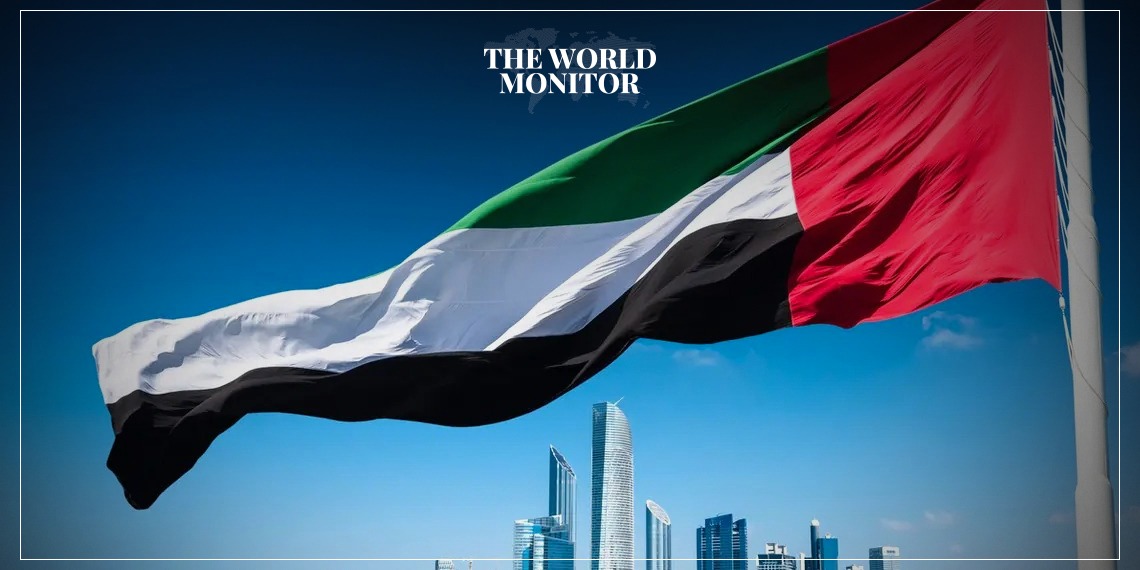
Abu Dhabi is gearing up to host the 13th Ministerial Conference of the World Trade Organization (WTO) on February 26, with delegations from 164 member countries expected to participate.
The conference is highly anticipated as it promises to kickstart the largest global dialogue on trade negotiations, potentially reshaping the future of the multilateral global trading system.
Running until February 29, the conference draws significant global attention due to its agenda packed with issues critical to the world economy.
Key topics include WTO reform discussions, dispute settlement system overhaul, the Fisheries Subsidies Agreement, agriculture talks, investment facilitation, trade and environment support, and the adoption of new technologies to enhance supply chain efficiency and sustainability.
Chaired by Thani Al Zeyoudi, the UAE Minister of State for Foreign Trade, the conference comes at a time when international trade faces numerous challenges.
The WTO’s Director-General has warned that the upcoming wave of elections and the looming recession across most economies, coupled with the conflicts in Ukraine and Gaza, could jeopardize reaching agreements.
In preparation for the conference, Thani Al Zeyoudi participated in the WTO’s General Council’s concluding meeting in Geneva earlier this month.
The General Council, the WTO’s highest decision-making body outside of the Ministerial Conference, provided a final opportunity for ambassadors and permanent representatives to advance negotiations on key issues before the conference.
During the meeting, Al Zeyoudi emphasized the importance of flexibility and consensus in the lead-up to the conference in Abu Dhabi.
He highlighted the conference as a crucial opportunity to review and improve international trade rules to ensure supply chains remain open and flexible.
“Coming together to think creatively and collaboratively, and working towards a long-term consensus for a sustainable and inclusive global trade system is essential,” Al Zeyoudi stated.
Despite all delegations sharing a commitment to a rules-based trading system, there remain gaps in perspectives that need to be bridged before the 13th Ministerial Conference.
Acknowledging these differences and the broader tensions in international trade, Al Zeyoudi expressed hope that delegations would continue to seek areas of agreement and focus on shared goals.
The Ministerial Conference, held biennially, is the WTO’s highest decision-making authority. This year’s conference in Abu Dhabi will be pivotal in addressing the current challenges and setting a path for the future of global trade.