
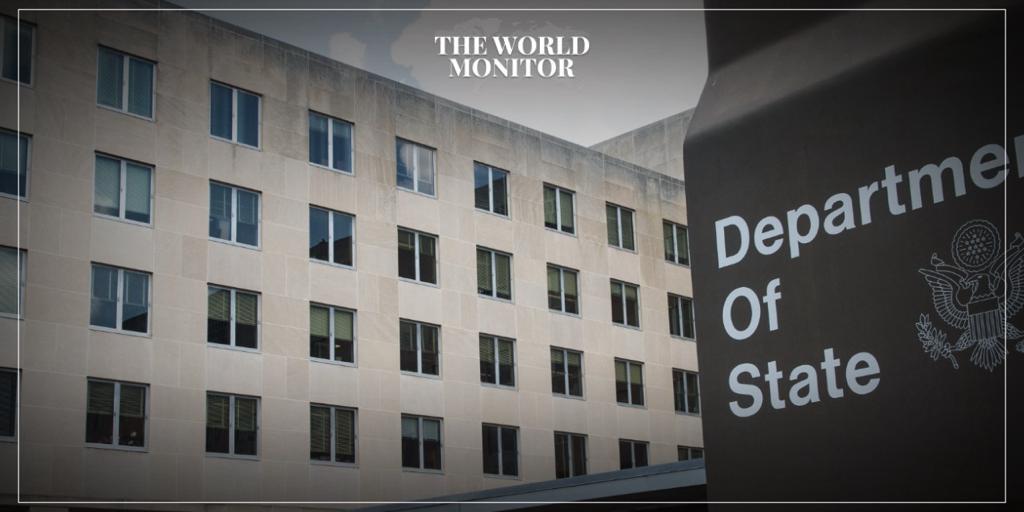
The United States has imposed financial sanctions on a digital currency exchange platform for facilitating transactions with Syria and Iran. This action reflects the U.S. government’s ongoing efforts to regulate digital currencies and curb illegal financial activities.
According to reports from media sources, U.S. Attorney General Merrick Garland stated that the platform, identified as “Binance,” was involved in processing millions of dollars in transactions between the United States and users in Syria. This revelation has raised concerns about the use of digital currencies in circumventing international sanctions and regulations.
Garland further pointed out that the employees of the platform were aware that their procedures to combat money laundering were not adequate. This lack of robust anti-money laundering measures made Binance a favorable destination for criminals looking to exploit digital currencies for illicit purposes.
The situation highlights a growing challenge in the digital finance world – ensuring compliance with international standards while dealing with the decentralized and often opaque nature of digital currencies. Binance’s case illustrates the potential risks associated with digital currency exchanges that do not adhere to stringent regulatory requirements.
In response to these allegations, Binance has admitted to the violations. In a significant development, its CEO, Changpeng Zhao, has announced his resignation from the position. This step indicates the seriousness with which the platform is addressing the issue and its commitment to rectifying its regulatory compliance.
The U.S. sanctions against Binance underscore the importance of regulatory oversight in the digital currency space. They serve as a warning to other platforms and entities in the cryptocurrency market to enhance their compliance mechanisms, especially concerning international transactions and anti-money laundering protocols.
This development also signals a growing recognition of the role digital currencies play in the global financial system, necessitating more robust and coherent regulatory frameworks to prevent misuse while supporting innovation in the financial sector. As digital currencies continue to gain prominence, the need for effective regulation and oversight becomes increasingly critical to ensure their safe and legal use.