
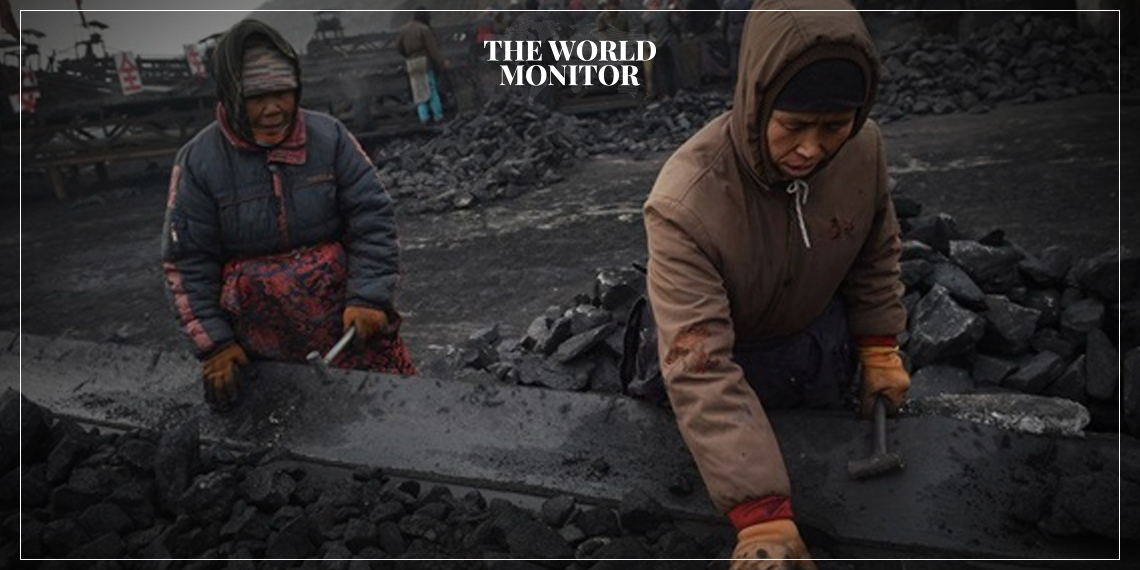
South Korea has officially closed its largest coal mine, the Jangseong Coal Mine, marking the end of an era after 88 years of operation.
The Jangseong Coal Mine, situated about 180 kilometers east of Seoul in Taebaek, began operations in 1936 during the Japanese occupation of Korea.
Over its lifetime, the mine was a major player in South Korea’s coal industry, producing a total of 94 million tons of coal.
Managed by Korea Coal Corporation, a state-owned entity, the mine has long been a cornerstone of the nation’s energy infrastructure.
At its peak, the Jangseong mine was a significant source of employment and energy, supporting South Korea’s industrial growth.
However, its relevance has diminished over time. By 2012, the mine produced 566,000 tons of coal annually, but this figure had plummeted to 67,000 tons by the previous year.
South Korea’s decision to close the Jangseong Coal Mine aligns with its broader energy policy shift.
The country is increasingly focusing on renewable energy sources and reducing reliance on fossil fuels. This transition is part of South Korea’s commitment to addressing climate change and reducing greenhouse gas emissions.
The closure of Jangseong reflects these evolving priorities, as the nation moves towards cleaner energy alternatives.
With the closure of Jangseong, the Doji Mine in Samcheok, about 195 kilometers east of Seoul, remains the only operational coal mine managed by Korea Coal Corporation.
However, this mine is also scheduled for closure next year. The shutdown of these mines highlights the broader trend in South Korea’s energy sector, where traditional coal mining operations are being phased out in favor of sustainable energy solutions.