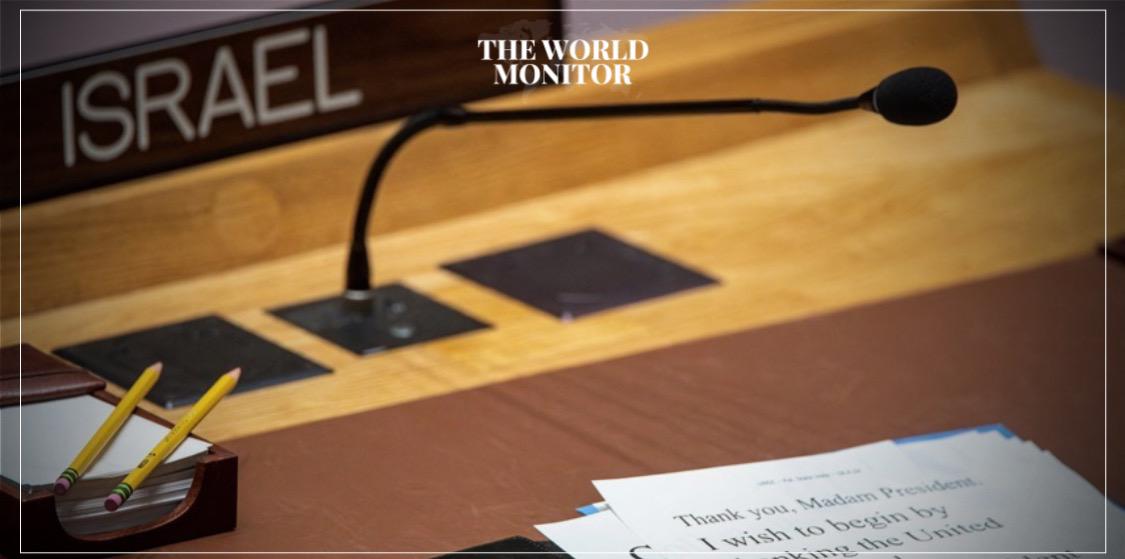
Israel’s ambassador to the United Nations, Gilad Erdan, has raised the possibility of Israel withdrawing from the UN amid escalating criticisms over its ongoing war against Gaza, which has lasted for seven months. This statement comes in light of Palestinian efforts to gain full membership in the UN. During an interview with “Israel Hayom,” Erdan discussed the role of Israel in the UN, efforts to abolish the United Nations Relief and Works Agency for Palestine Refugees (UNRWA), the situation of hunger in Gaza, and the relations between the United States and Israel post-Gaza war.
Erdan expressed his frustration and anger over perceived hypocrisy and double standards, questioning why Israel remains a member of the UN. He argues that withdrawing from the UN would not prompt countries to correct their actions, but rather benefit Israel’s enemies by reducing its influence and presence in international debates. Erdan believes that exiting the UN would be akin to boycotting a global media that is against Israel. He advocates for reforms in the UN’s dealings with Israel and suggests that if reforms fail and all alternatives are exhausted, then withdrawal could be considered. Furthermore, Erdan has repeatedly criticized UN Secretary-General Antonio Guterres and called for his dismissal, accusing him of supporting Hamas and trivializing the outcomes of the October 7 attack by Hamas on southern Israel.
Since the beginning of the Gaza war on October 7, 2023, the United Nations has been actively involved in addressing the escalating humanitarian crisis and the ongoing conflict between Israel and Hamas. The UN’s stance has been one of deep concern over the humanitarian impact and the violations of international law attributed to both parties.
The UN Security Council has made several attempts to pass resolutions aimed at establishing a ceasefire and ensuring humanitarian access to Gaza. However, these efforts have often been stalled by disagreements among the Council’s permanent members, particularly the United States, which has vetoed resolutions that it felt were insufficient in condemning the initial attacks by Hamas. Despite these challenges, the Security Council adopted a resolution demanding the immediate and unconditional release of all hostages and ensuring humanitarian access, including the provision of fuel to meet essential needs in Gaza.
The UN General Assembly has also been active, adopting resolutions calling for an immediate and sustained humanitarian truce, although these resolutions have faced their own controversies, particularly regarding the inclusion or exclusion of language condemning Hamas’ initial attacks. These resolutions emphasize the need for all parties to comply with international humanitarian law and stress the importance of unimpeded humanitarian aid.
Throughout the crisis, UN officials, including Secretary-General Antonio Guterres, have repeatedly called for ceasefires and condemned the actions of both sides. Guterres specifically highlighted the severe restrictions on Gaza, describing them as collective punishment, and stressed the dire need for humanitarian aid.