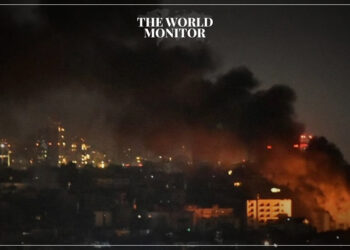

A joint force from the Salahuddin Operations Command and the Security and Discipline Directorate of the Popular Mobilization Forces in Iraq successfully neutralized an ISIS suicide bomber.
The bomber attempted to attack the headquarters of the Popular Mobilization Forces in the Salahuddin province. The security forces managed to surround and kill the attacker before he could reach the main gate of the headquarters.
Earlier, Al-Nujaba TV channel reported that the attack had resulted in severe injuries to two members of the forces.
Since the Iraqi government declared victory over ISIS in December 2017, Iraq has continued to face numerous challenges, including the threat of ISIS resurgence. Although the declaration marked the end of ISIS’s territorial control, it also led to the largest internally displaced persons (IDP) crisis in Iraq’s modern history and legitimized militias. As of August 2018, over a million IDPs were still living in camps due to destruction and ongoing ethnic and sectarian tensions.
Despite the initial defeat of ISIS, the group has shown signs of resurgence in both Iraq and Syria. In Iraq, caretaker Prime Minister Mustafa al-Kadhimi has been grappling with various issues, including ISIS’s revival, regular attacks by Iranian-backed militias, a spiraling economic crisis, and the COVID-19 pandemic. These conditions have created an environment conducive to a growing and dangerous insurgency.
In Syria, ISIS has resurged in areas previously liberated, further complicated by issues such as human smuggling out of ISIS detention centers and uncertainty about dealing with ISIS detainees and their families. The group, while currently focused on Iraq and Syria, continues to expand its presence and increase attacks. As of recent assessments, ISIS is estimated to have between 14,000-18,000 fighters and remains well-funded.
The U.S. policy in the region, initially focused on Iran and reducing military presence, has allowed ISIS to quietly rebuild. The U.S. and coalition partners need to redirect focus and reinforce support for Iraqi and Syrian partners to counter this resurgence. This includes embracing a diplomacy-first approach and investing in the region’s stabilization efforts.