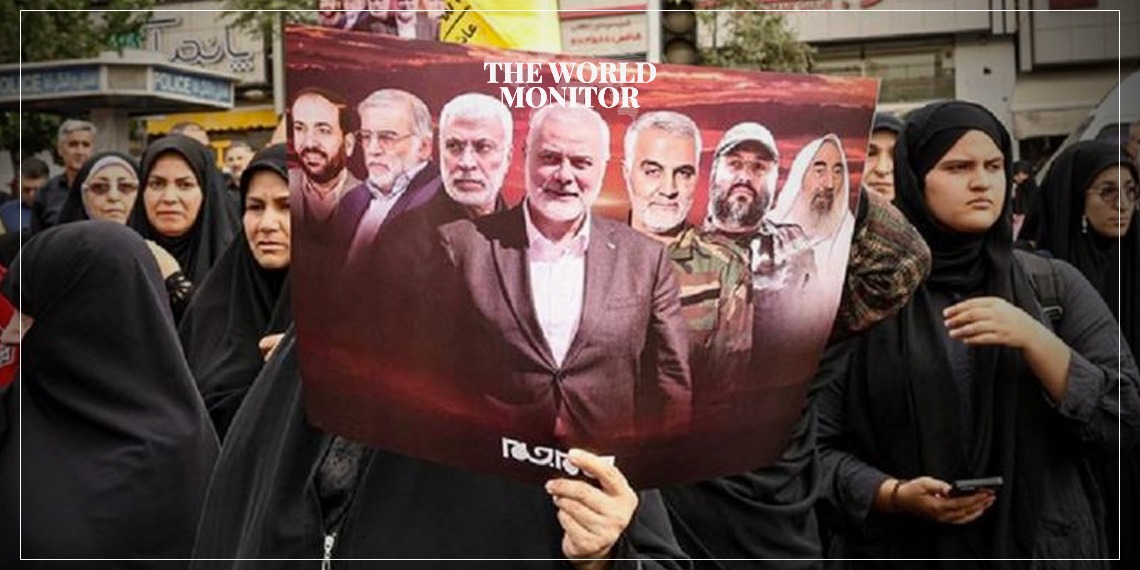
Top Iranian officials are set to meet with representatives from Lebanon, Iraq, and Yemen on Thursday to discuss potential retaliation against Israel following the assassination of Hamas leader Ismail Haniyeh in Tehran, sources told Reuters.
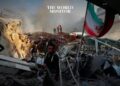
The risk of a wider conflict in the Middle East has increased after the assassinations of Haniyeh on Wednesday and Hezbollah’s senior commander Fuad Shukr on Tuesday in an Israeli strike near Beirut.
Representatives from Palestinian resistance groups Hamas and Islamic Jihad, Yemen’s Houthi movement, Lebanon’s Hezbollah, and Iraqi resistance groups will attend the meeting in Tehran, according to sources.
“Iran and the resistance members will conduct a thorough assessment after the meeting in Tehran to find the best and most effective way to retaliate against the Zionist regime,” said a senior Iranian official familiar with the meeting.
Another Iranian official confirmed that Supreme Leader Ayatollah Ali Khamenei and senior members of Iran’s elite Revolutionary Guards will attend. “How Iran and the resistance front will respond is currently being reviewed … This will certainly happen and the Zionist regime will undoubtedly regret it,” General Mohammad Baqeri, Iran’s armed forces chief of staff, told state TV on Thursday.
Hezbollah deputy leader Naim Qassim and lawmaker Hassan Fadlallah, who were in Iran for the presidential inauguration, have stayed for the funeral and meeting, sources close to Hezbollah said.
Khamenei led prayers for Haniyeh before his burial in Qatar, earlier threatening a “harsh punishment” for his killing. The New York Times, citing Iranian officials, reported that Khamenei ordered Iran to strike Israel directly.
On Wednesday, Israeli Prime Minister Benjamin Netanyahu convened the war cabinet, and Israel heightened security levels in anticipation of possible retaliation. The security level at Israeli institutions worldwide was also raised, according to Yedioth Ahronoth.
The Israel Aviation Authority canceled flights to and from Israel until midnight Wednesday, pending further assessment, and earlier closed airspace from Hadera to the northern border.
Analysts agree that both strikes constitute serious security breaches for Iran and Hezbollah, necessitating a response. Calibrating this response to restore deterrence without sparking a more damaging escalation will be a delicate task in the nearly year-long teetering on the brink of regional war.