The Ministry of Health in Gaza announced on Sunday that the death toll from ongoing Israeli airstrikes has reached 40,099, with more than 92,609 others injured since the conflict escalated on October 7.
This dramatic increase in casualties highlights the severe humanitarian crisis unfolding in the region.
In a recent statement, the ministry reported that Israeli forces have carried out two additional massacres against families in Gaza within the past 24 hours, resulting in 25 more deaths and 72 injuries.
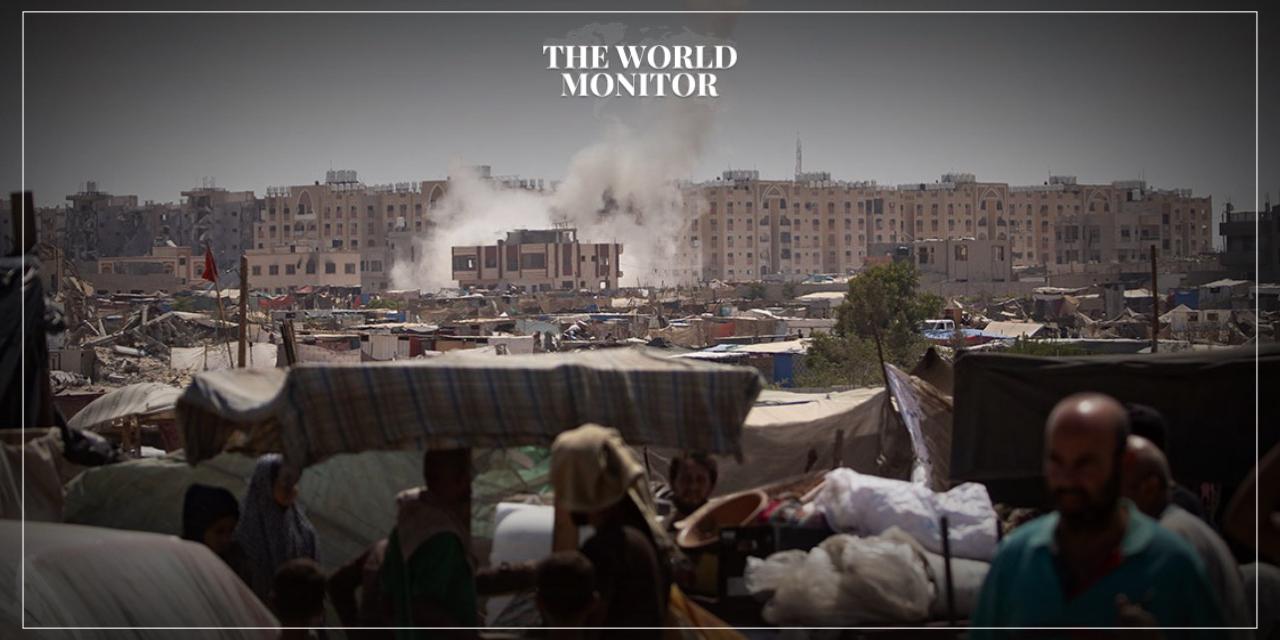
The statement also emphasized the difficulties faced by emergency response teams, noting that many victims remain trapped under the rubble or are lying in the streets, unreachable by ambulance and civil defense crews due to the ongoing attacks.
This marks the 317th day of the Israeli offensive in Gaza, which has led to widespread destruction and a staggering number of casualties. The continuous bombardment has crippled infrastructure, leaving many areas inaccessible and preventing timely medical interventions.
The conflict between Israel and Gaza has a long and complex history, rooted in territorial disputes, political tensions, and religious differences.
The recent escalation, which began in October, has been one of the deadliest in years, with both sides suffering significant losses.
The Israeli government has justified its airstrikes as a response to rocket attacks launched from Gaza by Hamas, a Palestinian militant group.
However, the international community has expressed concern over the high number of civilian casualties and the humanitarian impact of the ongoing siege.
Gaza, one of the most densely populated areas in the world, has been under a blockade imposed by Israel since 2007, which has severely limited access to essential goods and services.
The current conflict has exacerbated an already dire situation, with many hospitals overwhelmed and shortages of medical supplies becoming increasingly critical.
The situation in Gaza remains volatile, with no signs of de-escalation. International efforts to broker a ceasefire have so far been unsuccessful, and the humanitarian crisis continues to worsen as the conflict drags on.