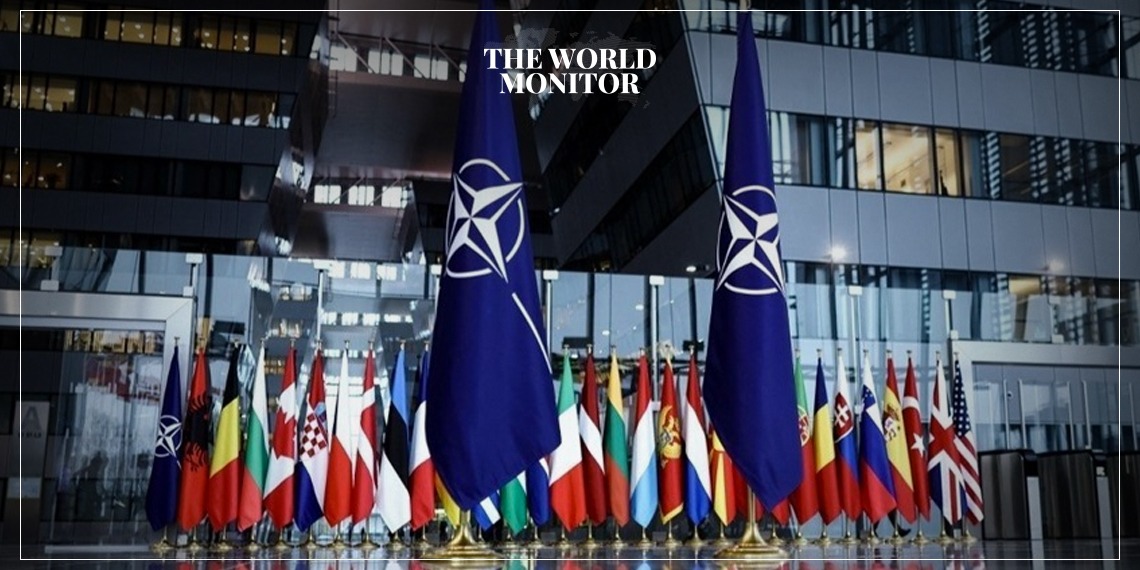
Defense ministers from NATO countries are convening in Brussels for a two-day session today and tomorrow, focusing on aid for Ukraine and dialogues with defense manufacturers on enhancing the military capabilities of member nations.
U.S. Ambassador to NATO, Julianne Smith, criticized former President Trump’s suggestion that Russia should target NATO members lagging in defense spending during a press briefing on Tuesday.
She emphasized the heightened risk such statements pose to U.S. and allied forces, labeling them as reckless and detrimental.
Although U.S. Defense Secretary Lloyd Austin was discharged from the hospital on Tuesday evening and will not be present in Brussels, he is slated to lead a virtual meeting of the Ukraine Defense Contact Group today, according to Smith. She expects continued support for Ukraine from various allies and partners.
Smith dismissed the notion that NATO might soon assume control of the U.S.-led Ukraine Defense Contact Group, also known as the Ramstein format, due to concerns about Trump’s political return.
She credited the group’s achievements to Secretary Austin’s leadership and affirmed the U.S.’s ongoing commitment to the initiative.
Regarding Ukraine’s potential NATO membership, Smith predicted that while an official invitation might not be extended at the forthcoming summit in Washington, allies will likely demonstrate closer ties with Ukraine and take steps toward eventual membership.
Contrary to Russia’s military expenditures, which consume a significant portion of its budget, analysts from the International Institute for Strategic Studies, including Director General Bastian Giegerich, project that Russia can maintain its military operations in Ukraine for another two to three years.
Despite these economic challenges, Estonia’s Foreign Intelligence Service anticipates that Russia is preparing for a possible military confrontation with Western nations within the next ten years.
The ongoing conflict in Ukraine is prompting a military transformation across Europe, with countries like Sweden experiencing a surge in interest in its Home Guard reserve forces, leading to an excess of applicants.
A report by Hanne Cokelaere reveals that NATO members, especially those near Russia, Ukraine, and Belarus like Poland, are significantly increasing their defense budgets, with Poland leading in defense spending relative to GDP among the 31 NATO countries.