
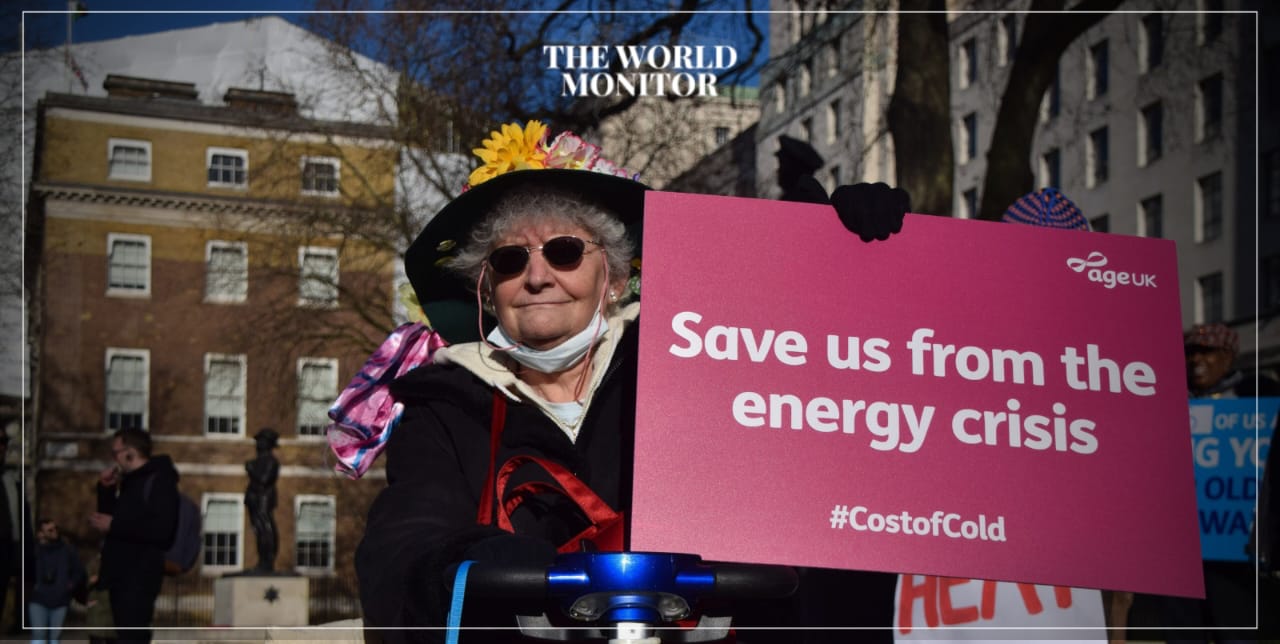
A recent study in the United Kingdom has revealed that the nation’s escalating cost of living could lead to thousands of premature deaths. Moreover, this crisis might further widen the gap between the rich and the poor, encompassing health disparities.
Millions of Britons have been affected by inflation rates, the likes of which the country hasn’t experienced since the 1970s. The triggers for this surge include the conflict in Ukraine, Brexit, and recent economic policies. Poorest families are hit the hardest as they spend a more considerable chunk of their income on energy, the prices of which have skyrocketed.
The new research indicates that early deaths could rise by 6.5% this year due to the living cost crisis, translating to an additional 30 deaths for every 100,000 individuals. This equals thousands of additional deaths annually across the UK.
Though the study primarily focused on Scotland, researchers from Public Health Scotland and the University of Glasgow noted that “similar impacts are likely to be felt across the UK.”
Evidence suggests a direct correlation between declining incomes and deteriorating health. The study aimed to gauge the potential impact of inflation on death rates this year – both with and without mitigation measures.
Using a scenario-based model, researchers estimated the recent high inflation’s effect on household incomes, how mitigation measures might adjust these impacts, and the subsequent changes in death rates, expected lifespan, and inequality.
Three scenarios were formulated: one without any mitigation measures, one incorporating digital program guidelines, and one including living cost support payments. These were then compared with average inflation from previous years to estimate health impacts for each.
The study found that, in all considered scenarios, families in the most deprived areas suffered the most in relative terms. Even with governmental support, their financial situation is projected to worsen by £1400 in the fiscal year 2022/2023.
Without any mitigation, inflation would elevate premature deaths by 5% in the least deprived areas and by a staggering 23% in the most deprived ones. Introducing living cost support payments could bring these rates down to between 3% and 16%. Adding further living cost aid might reduce them further to between 2% and 8%.
This means that, even in the best scenarios, premature deaths in the poorest households are expected to rise at a rate four times faster than in the wealthiest families.
The UK has been grappling with escalating living costs not seen since the 1970s. Factors like the war in Ukraine, Brexit, and new economic policies have exacerbated inflation rates, with the poorest families bearing the brunt due to their significant spending on energy, which has seen record price hikes.