
• About us
  • Contact Us
Monday, July 27, 2026
No Result
View All Result
The World Monitor
  • The World Monitor
  • Middle East
  • Africa
  • World
  • Economy
  • Sports
  • Climate
  • Technology
  • Crypto
  • The World Monitor
  • Middle East
  • Africa
  • World
  • Economy
  • Sports
  • Climate
  • Technology
  • Crypto
No Result
View All Result
The World Monitor
No Result
View All Result
Home Africa

Libya’s Central Bank Crisis Impacts Tunisia’s Trade

September 16, 2024
Libya’s Central Bank Crisis Impacts Tunisia’s Trade

Libya’s Central Bank Crisis Impacts Tunisia’s Trade

Share on FacebookShare on TwitterShare on Whatsapp

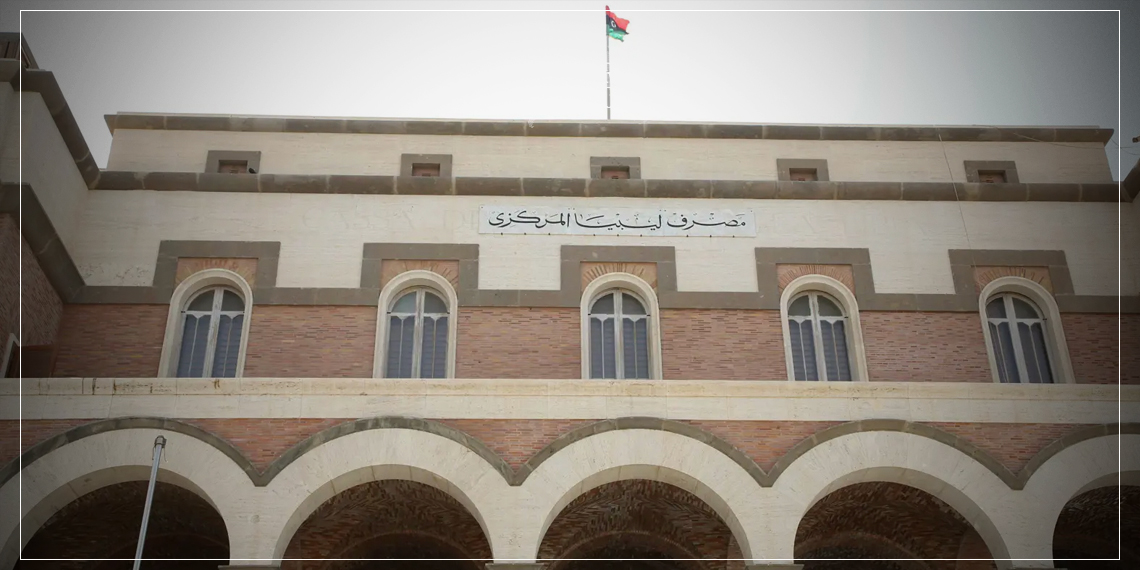
The ongoing crisis at Libya’s Central Bank is not only causing internal political turmoil but also casting a shadow over Tunisia, a neighboring country with close trade ties to Libya.

According to a report by Jeune Afrique, the disruption could destabilize the Tunisian market and leave around 7 million Libyans without access to essential goods like food and medicine from Tunisia. In turn, 1,200 Tunisian companies risk losing their fifth-largest export market.

The struggle for control over Libya’s Central Bank between the Tripoli and Benghazi governments has raised concerns that the crisis may worsen.

The situation has become so dire that the United Nations has stepped in to mediate in an attempt to prevent further escalation.

Fouad Gdiche, the international director of Tunisia’s small and medium business employers’ union, CONNECT, told Jeune Afrique that Libya’s Central Bank is no longer issuing letters of credit—an essential procedure for Libyan importers to pay their suppliers.

Libya imports nearly all of its consumer goods from Tunisia, including food, medical supplies, cars, and textiles. Libyan purchases account for about 39% of Tunisia’s GDP, and this trade could come to a halt if the central bank deadlock continues.

A source from Tripoli, contacted by phone, confirmed that while businesses are still operating, consumers have started stockpiling supplies.

The Tripoli-based government, led by Abdel-Hamid Dbaiba, insists everything is under control, but residents remain concerned about the possibility of a prolonged crisis.

For Tunisian exporters, the situation is already dire. The market has effectively closed overnight, leaving them in a precarious position. With exports to Libya valued at 2.65 billion Tunisian dinars (around $800 million) in 2023, Tunisia enjoys a significant trade surplus with its neighbor.

Tags: LibyaTunisia
Next Post
Iran Denies Sending Hypersonic Missiles to Yemen

Iran Denies Sending Hypersonic Missiles to Yemen

Leave a Reply Cancel reply

Your email address will not be published. Required fields are marked *

Recommended

EU Approves €1.1 Billion Aid Plan for Italy

EU Approves €1.1 Billion Aid Plan for Italy

2 years ago
30 People Missing in Landslide in Myanmar

30 People Missing in Landslide in Myanmar

3 years ago

Popular News

  • Saudi Economy Surpasses Trillion-Dollar Mark for 1st Time in History

    Saudi Economy Surpasses Trillion-Dollar Mark for 1st Time in History

  • Google to Invest in “AI” Startup for Celebrity Talks

  • UNICEF: Gaza World’s Most Dangerous City for Children

  • Sonatrach Forms Strategic Alliance with Eni & Equinor

  • What Did Karim Benzema Say Upon Arriving in Saudi Arabia?

Follow us

"Connecting the World to the Heartbeat of Middle East and Africa – Your Trusted Source for News and Insights."

  • The World Monitor
  • Middle East
  • Africa
  • World
  • Economy
  • Sports
  • Climate
  • Technology
  • Crypto

ABOUT US

CONTACT US

Privacy Policy

  • About us
  • Contact Us

© 2023 THE WORLD MONITOR

No Result
View All Result
  • Home
  • Africa
  • World
  • Economy
  • Climate
  • Sports
  • Crypto
  • Technology

© 2023 THE WORLD MONITOR