Libya has made significant progress in addressing the aftermath of the Derna disaster, with the General Authority for Research and Identification of Missing Persons announcing that 98% of the files related to the victims have been completed.
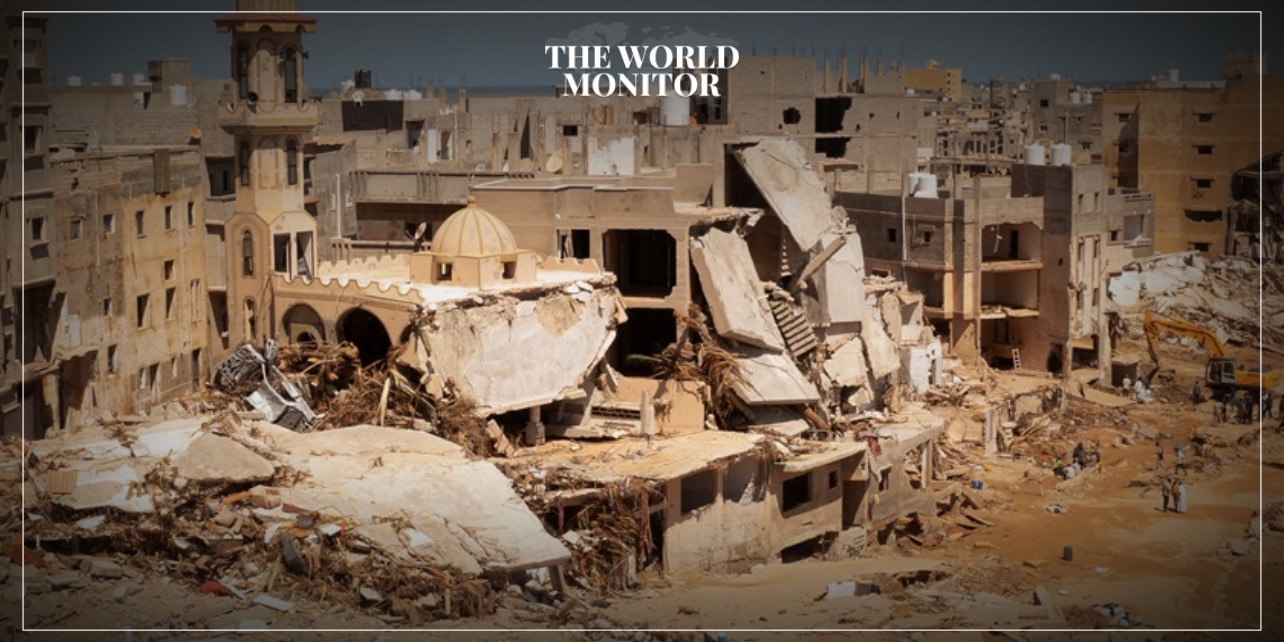
This comes nearly a year after the catastrophic floods caused by a powerful storm hit the city of Derna, leaving many dead and missing.
Kamal Al-Suway, head of the authority, confirmed in an interview with the Libyan News Agency (LANA) that efforts to handle the victims’ files remain ongoing. He explained that the process involved two main phases.
The first phase, which is almost complete, focused on receiving reports from the families of victims who were lost in the floods.
The second phase deals with challenges such as families who have not yet come forward, particularly those who are difficult to contact due to their absence from affected areas.
Al-Suway noted that the remaining 2% of cases are due to difficulties in reaching some of the victims’ families.
He also revealed that in the early days of the disaster, many bodies were recovered from residential areas, valleys, and even the sea.
These bodies were buried in a mass grave, known as the “Martyrs of the Derna Flood” cemetery.
DNA samples were collected from all the recovered bodies to aid in the identification process. However, the authority has encountered obstacles in obtaining the necessary materials for DNA analysis, and as of now, they are still awaiting support to continue this crucial work.
Regarding foreign victims, the authority is coordinating with the Ministry of Foreign Affairs to communicate with the respective countries of the deceased and inform them about their nationals who were lost in the floods.
Al-Suway also mentioned that the authority has been working on similar cases in other regions. A team was deployed to Sirte for two months, where all missing bodies in the area were recovered.
In Tarhuna, more than 80% to 90% of reported cases have been resolved. However, there are still ongoing efforts to locate the remaining bodies based on reports from local authorities and municipal councils across Libya.