The situation between Israel and the Palestinian territories has reached a new level of complexity as the United Nations Human Rights Commissioner, Volker Türk, was denied access to both Gaza and the West Bank by Israeli authorities. Ravina Shamdasani, a spokesperson for the UN High Commissioner for Human Rights, confirmed this development, highlighting the necessity of such a visit in combating misinformation and independently verifying numerous claims heard during this conflict.
During a press conference in Geneva, Shamdasani emphasized the importance of Türk’s visit for the independent verification of the many allegations that have surfaced amidst the ongoing conflict. She noted that Israel has yet to allow the High Commissioner to access Gaza and the West Bank, areas crucial for obtaining firsthand information and insight.
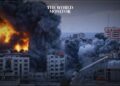
Volker Türk, on his part, has been vocal about the need for a thorough investigation into Israel’s use of “high-impact explosive weapons” in Gaza, which he argues are causing indiscriminate destruction in the densely populated Palestinian enclave, home to 2.3 million people. He urged Israel to cease using such weapons in this area. In response to these allegations, Israel’s permanent mission to the UN in Geneva stated that “Israel abides by international humanitarian law at all times. Terrorists don’t”.
Türk also highlighted the dire humanitarian and human rights impacts of the extensive Israeli bombardment of Gaza, expressing serious concerns that these actions might constitute disproportionate attacks in breach of international humanitarian law. He pointed out that any use of civilians and civilian objects by Palestinian armed groups to shield themselves from attack contravenes the laws of war. However, he also emphasized that such conduct does not absolve Israel of its obligation to ensure that civilians are spared.
The UN High Commissioner reported that at least 176 Palestinians, including 43 children and one woman, had been killed in incidents involving Israeli security forces since the beginning of October. Additionally, at least eight Palestinians have been killed by Israeli settlers. Israel has justified these actions as counter-terrorism operations against militants from Hamas and other Palestinian armed factions in the West Bank .
Türk’s visit to the Rafah crossing and El Arish Hospital in Egypt further underscored the severity of the situation. He described the border crossing as a “lifeline” for Gaza’s residents, yet also a “gate to a living nightmare,” with people in Gaza suffering under persistent bombardment and struggling for basic necessities. The human rights chief stressed the urgent need for a ceasefire to address critical human rights imperatives, calling for adequate aid deliveries into Gaza, the release of all hostages, and creating political space for a durable end to the occupation .
This denial of access to the UN High Commissioner by Israel adds another layer of complexity to the ongoing conflict, raising questions about transparency and accountability amidst escalating violence and humanitarian crises in the region. The international community continues to watch closely as the situation evolves.