
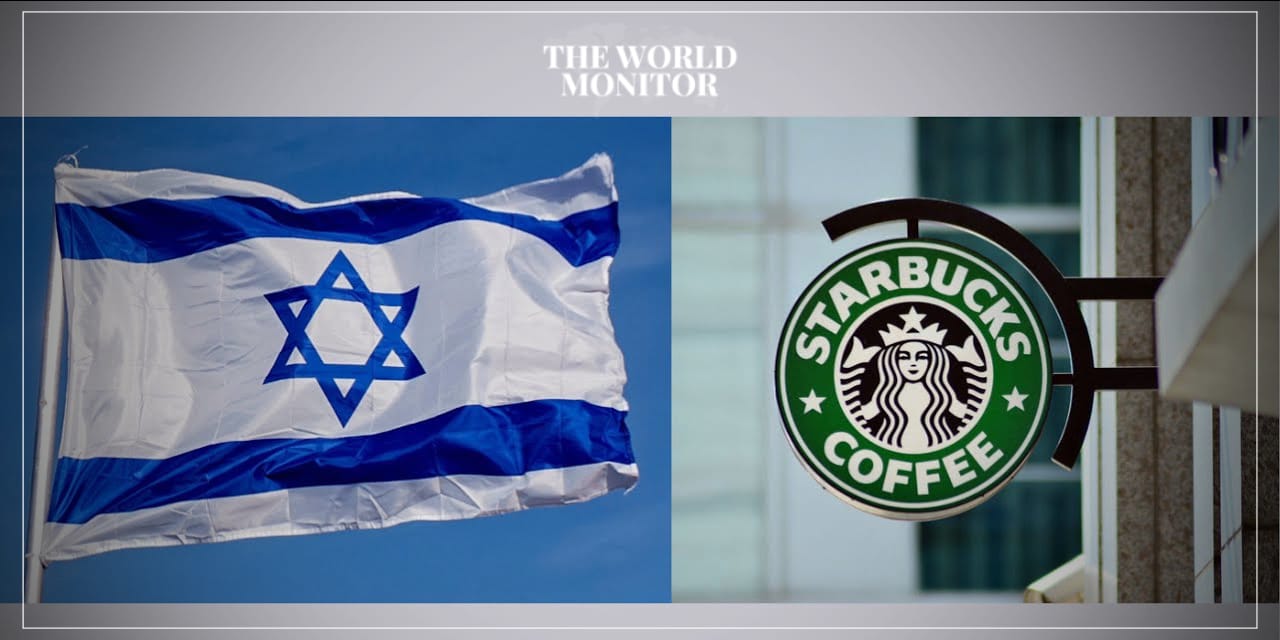
In recent times, social media platforms across Arab countries have witnessed a surge in calls for boycotting products from countries that allegedly support Israel, urging consumers to opt for locally made alternatives. This all started when Israeli forces attacked Gaza Strip in response to an operation by Hamas on October 7.
Starbucks, the big American coffee company, has found itself in the middle of this boycott call. The company has cafes in 86 countries, including about 1,900 in the Middle East and North Africa, employing over 19,000 people.
After the boycott started in many Arab countries, Starbucks Middle East clarified their position. They said that they don’t give any money or support to the Israeli government or its military. They’ve been in the Middle East since 1999, working with a partner company, Alshaya Group, in Kuwait.
Starbucks is all over Arab countries, but it is not in Israel. They closed their cafes there in 2003 due to ongoing problems running the business.
Starbucks employs many Arabs and people of various nationalities across Arab countries. There are no Israeli employees in the company. To open a cafe in an Arab country, a foreign company like Starbucks often works with Arab owners, providing jobs for local people.
The calls to boycott foreign companies, like Starbucks, hurt the Arab workers there. This has led some activists to say that we need to check the facts before deciding to boycott, to avoid hurting workers and their families.