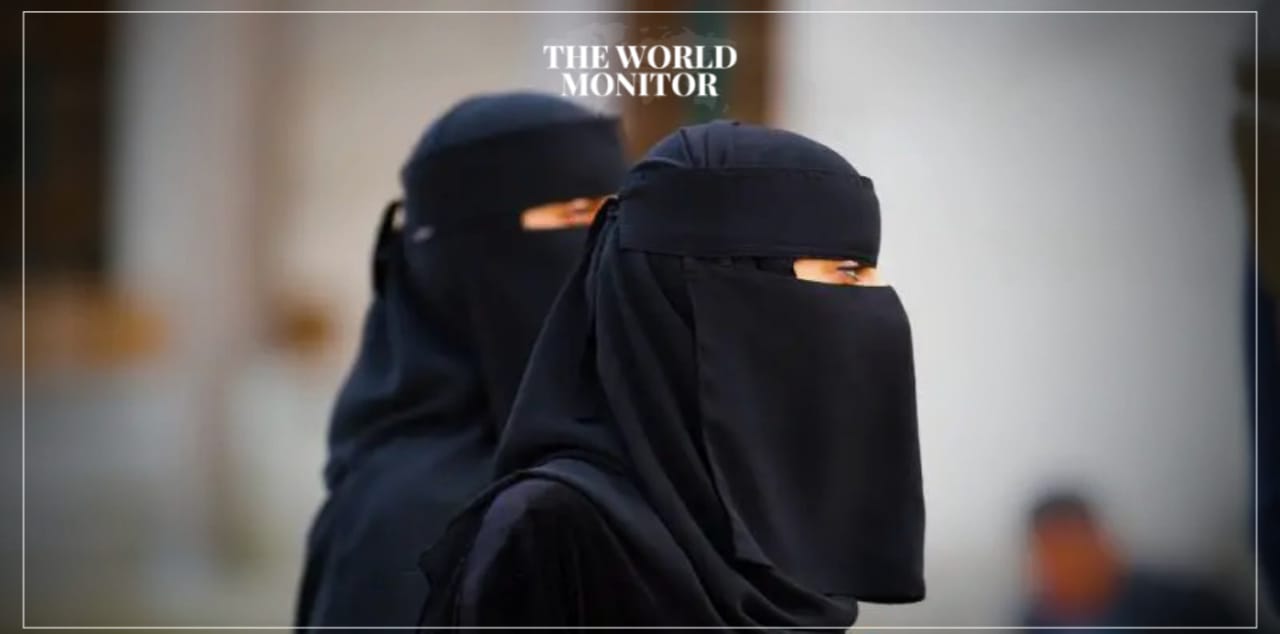
A recent decision by the Egyptian government to ban female students from wearing the niqab, a face-covering veil, at schools has ignited a passionate debate within Egyptian society. The niqab is a traditional and culturally significant garment for many Muslim women, making this ban a topic of great contention.
Opinions on the ban are sharply divided, with both supporters and opponents voicing their views on social media and in public discourse. The ban, which specifically targets the niqab and not the hijab (headscarf), raises important questions about religious freedom, individual rights, and the role of the state in regulating personal choices.
Opponents of the ban argue that it infringes upon religious freedoms guaranteed by the Egyptian constitution and violates personal liberties. They emphasize that individuals should have the right to choose their religious attire without government interference. They also point out that various public and private institutions in Egypt have already implemented niqab bans, such as Cairo University’s prohibition on face veils for teaching staff.
Supporters of the ban, on the other hand, argue that it aligns with the values of a secular state and promotes social cohesion. They contend that the niqab can hinder communication and identification in educational settings and that the ban is aimed at ensuring security and equal treatment for all students.
Education Minister Reda Hegazy’s statement on the ban clarified that students have an “optional” right to choose whether they will cover their hair at school. However, it specifies that hair coverings should not obscure the face and must adhere to the color chosen by the ministry and local education directorate.
The ban is set to take effect starting from the upcoming academic year on September 30, 2023, and will remain in place until June 8, 2024. As the implementation of this ban unfolds, it will continue to be a topic of debate and discussion within Egyptian society, reflecting the country’s diverse range of views on religious and cultural matters