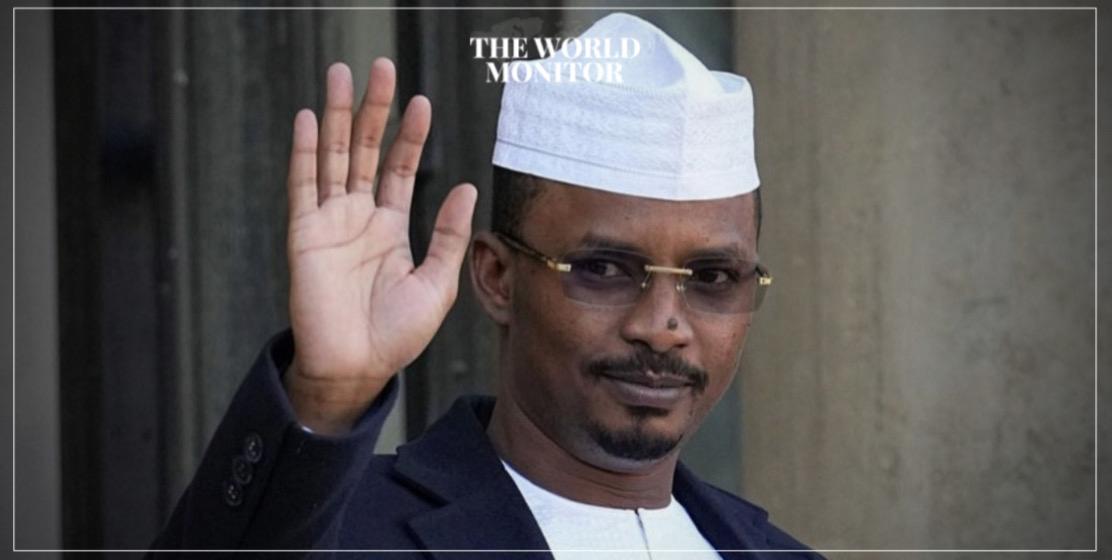
Chad’s recently appointed Prime Minister, Allamaye Halina, unveiled his cabinet, symbolically concluding three years of military governance.
This development followed the inauguration of President Mahamat Idriss Deby, who assumed power after his father’s death in 2021 and recently won a disputed election.
The formation of this government marks a shift back to civilian rule, though many previous elements remain in place.
Out of 35 ministers, 23 are holdovers from the last military-backed government, including close associates of President Deby.
Halina, a former ambassador to China, was named to the position shortly before Deby’s swearing-in.
The cabinet reshuffle excluded members of the opposition Transformers party, whose leader was defeated by Deby in the presidential race.
The legitimacy of the election has been questioned by international watchers and opposition leaders. Nonetheless, Deby has committed to serving all Chadians and pledged to restore constitutional governance.
As Chad transitions to civilian leadership, it faces multiple challenges, including its status as one of the world’s poorest countries and a key player in combating jihadist groups in the Sahel region.
The new administration must tackle these internal and external security challenges and the country’s deep political rifts.
Earlier this month, Chad carried out presidential elections, aiming to transition from three years of military governance to a democratic system.
Located in the heart of Africa, Chad is the fifth-largest country on the continent by area and the fourth poorest globally.
It is an essential ally for the West in this volatile region, sharing borders with Sudan and the Darfur region, which suffered a horrific ethnic massacre two decades ago.
Observers are currently concerned that the ongoing civil war in Sudan, which has been raging for over a year, might escalate into another genocide in Darfur.