
• About us
  • Contact Us
Friday, March 13, 2026
No Result
View All Result
The World Monitor
  • The World Monitor
  • Middle East
  • Africa
  • World
  • Economy
  • Sports
  • Climate
  • Technology
  • Crypto
  • The World Monitor
  • Middle East
  • Africa
  • World
  • Economy
  • Sports
  • Climate
  • Technology
  • Crypto
No Result
View All Result
The World Monitor
No Result
View All Result
Home Middle East

Millions in Yemen at Risk of Hunger

October 20, 2024
Millions in Yemen at Risk of Hunger

Millions in Yemen at Risk of Hunger

Share on FacebookShare on TwitterShare on Whatsapp

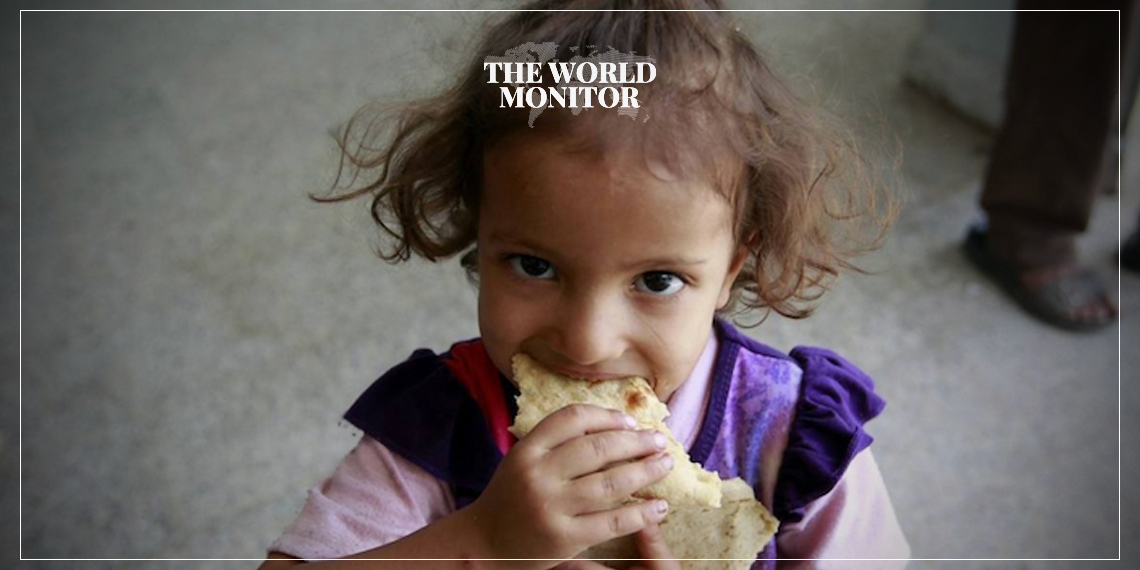
Millions of Yemeni families are expected to face significant food consumption gaps well into 2025 due to the ongoing state of conflict and economic instability.

The situation has been exacerbated by a weakened purchasing power and the continued suspension of humanitarian food aid from the World Food Programme (WFP) in areas controlled by the Houthi forces in northern Yemen.

The Famine Early Warning Systems Network (FEWS NET) has warned that millions of impoverished households will continue to face severe food shortages, with a particular concern for displaced populations.

According to their food security outlook, Yemen will remain in crisis levels (Phase 3 of the Integrated Food Security Phase Classification) or worse across the country until January 2025.

Some governorates under Houthi control are projected to endure emergency-level food insecurity (Phase 4), which borders on famine conditions, due to the suspension of aid and the devastating impacts of recent flooding.

A rapid assessment conducted by the Food and Agriculture Organization (FAO) in August revealed that approximately 99,000 hectares of agricultural land were affected by floods.

The majority of this damaged land was concentrated in the governorates of Al-Hudaydah (77,362 hectares) and Hajjah (20,717 hectares).

As a result of these agricultural losses, which are critical to both food production and income, many of the most vulnerable households are suffering.

Livestock losses and damage to livelihoods have severely affected the ability of flood-impacted families, particularly those relying on pastoral and agro-pastoral activities, to meet even their most basic food needs in the absence of humanitarian assistance.

The deteriorating food security situation in Yemen underscores the urgent need for international aid and sustainable solutions, as millions of people remain at risk of starvation amid the protracted conflict.

Tags: hungerYemen
Next Post
UN Urges Israel to Open More Routes into Gaza

UN Urges Israel to Open More Routes into Gaza

Leave a Reply Cancel reply

Your email address will not be published. Required fields are marked *

Recommended

Bid to Smuggle 2.4 Million Dinars near Libyan-Tunisian Border Foiled or Tunisia Thwarts Smuggling Attempt Near Libyan Borders On Thursday, Tunisian customs authorities at the Ras Jedir border crossing successfully managed to thwart an attempt to smuggle foreign currency valued at 2.4 million Tunisian dinars. In a statement, the General Administration of the Customs said that this comes as part of efforts to stop the smuggling of money on the southeastern border with Libya. It added that a customs guard patrol was able to thwart the attempt to smuggle 525,000 Euros and 213,000 US Dollars hidden in a car with a foreign license plate number at the Chichma region in Medenine. The total value of the seized money was estimated at 2.4 million dinars. Spokesman for the General Administration of Customs, Brigadier Haitham Znad, confirmed that the seized money was secured in the Central Bank of Tunisia. He added that a report of seizure has been ratified, and the public prosecutor has been informed to initiate the necessary legal proceedings. In 2022, Tunisia’s national airline, Tunisair announced that it had reopened its office in Tripoli, according to the Supreme Council of Tunisian and Libyan Businessmen. Flights between Tunisia and Libya have been halted several times since the 2011 NATO-backed uprising that toppled long time ruler Muammar Gaddafi. The most recent interruption began in 2020, due to the COVID-19 pandemic, but also over security concerns. Notably, Tunisian products have been largely absent from Libyan shelves since the border was closed. Libya shut its land border and suspended flights between the two countries on 08 July 2021, citing the explosion in COVID-19 cases in Tunisia. But with the caseload rapidly dropping, officials on both sides agreed to reopen after Prime Minister Abdel-Hamid Dbaiba met Tunisian President Kais Saied in Tunis on 09 September. The Ras Jdeir border post is the main crossing between Libya and Tunisia. Both sides rely heavily on cross-border trade — including smuggling. Tunisia is also a key destination for Libyans seeking medical treatment not available locally. It is also one of a handful of countries that authorizes incoming flights from Libya, and allows Libyans visa-free entry.

China: Beijing is Arab Countries Largest Trade Partner

3 years ago
Zelensky Signs Law Banning Russia-linked Orthodox Church

Zelensky Signs Law Banning Russia-linked Orthodox Church

2 years ago

Popular News

  • Israel Forces Strike Southern Beirut Suburb

    Israeli Forces Strike Southern Beirut Suburb

  • Blinken Initiates Middle East Tour to Revive Ceasefire Talks

  • US Negotiates with Taliban to Release American Prisoners

  • North Korea Denies Sending Troops to Support Russia in Ukraine War

  • UK Carries out First-Ever Womb Transplant

Follow us

"Connecting the World to the Heartbeat of Middle East and Africa – Your Trusted Source for News and Insights."

  • The World Monitor
  • Middle East
  • Africa
  • World
  • Economy
  • Sports
  • Climate
  • Technology
  • Crypto

ABOUT US

CONTACT US

Privacy Policy

  • About us
  • Contact Us

© 2023 THE WORLD MONITOR

No Result
View All Result
  • Home
  • Africa
  • World
  • Economy
  • Climate
  • Sports
  • Crypto
  • Technology

© 2023 THE WORLD MONITOR