
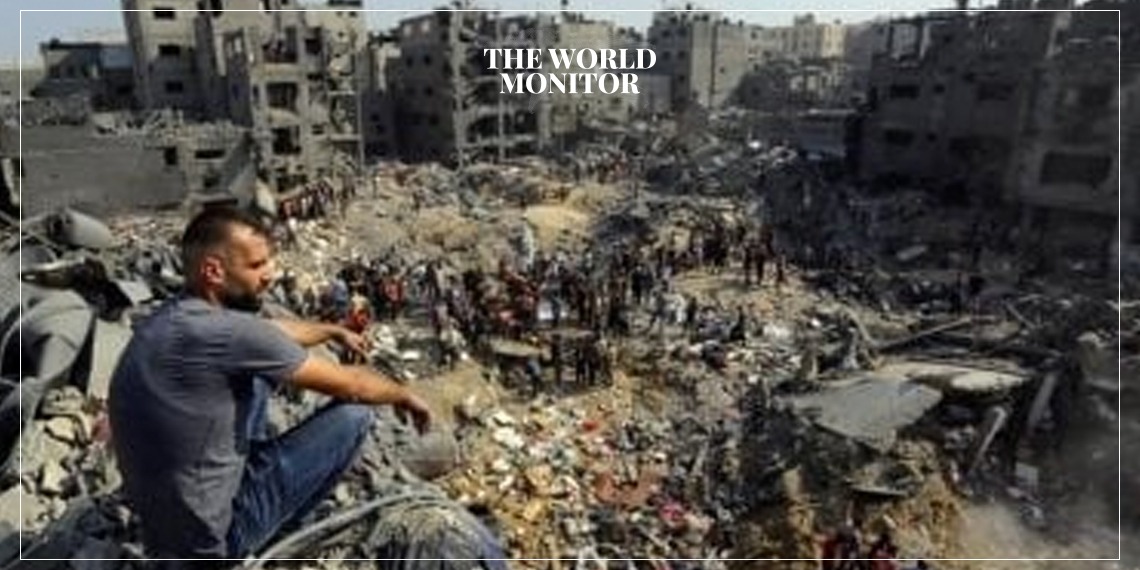
The United Nations Security Council is holding a special session today, Tuesday, on food security threats in the Gaza Strip. This session is being convened at the request of the representatives of Switzerland and Guyana, in response to the severe food crisis facing the inhabitants of the Strip, which is approaching famine levels, according to a memo from the UN Under-Secretary-General for Humanitarian Affairs received by the Security Council on the 22nd of this month.
It is worth noting that UN Resolution 2417, issued on May 24, 2018, obligates the UN Secretary-General to send an urgent briefing to the Security Council if there is a disruption in the food security situation of the residents of the Gaza Strip as a result of the conflict between Israel and the Palestinians.
At least 100,000 displaced people have recently moved into Rafah, exacerbating conditions in the southern part of the enclave. The population, already traumatized and exhausted, faces severe overcrowding, with humanitarian aid struggling to reach those in need due to relentless Israeli bombardment and intense ground fighting. Reports indicate that half of all pregnant women seeking shelter in Gaza are suffering from thirst, malnutrition, and lack of healthcare, with significant concerns also raised about the lack of vaccinations for newborns and the risk of dehydration, malnutrition, and disease among displaced children. Since the beginning of Israel’s retaliation following Hamas’ attacks in southern Israel on October 7th, approximately 1.9 million Gazans, or 85% of the enclave’s population, have been internally displaced.
The UN has called for an urgent scale-up in aid deliveries, but access remains overwhelmingly insufficient. Only a small fraction of the necessary truckloads of aid is entering Gaza, with humanitarians facing multiple layers of inspections and logistical challenges amidst the ongoing conflict. Despite these obstacles, efforts to provide food and assistance continue, with the UN World Food Programme distributing food parcels to displaced families in makeshift camps in Rafah. However, the risk of famine is increasing, with more than one in four households in Gaza experiencing “catastrophic” hunger and the entire population facing “crisis or worse” levels of acute food insecurity.