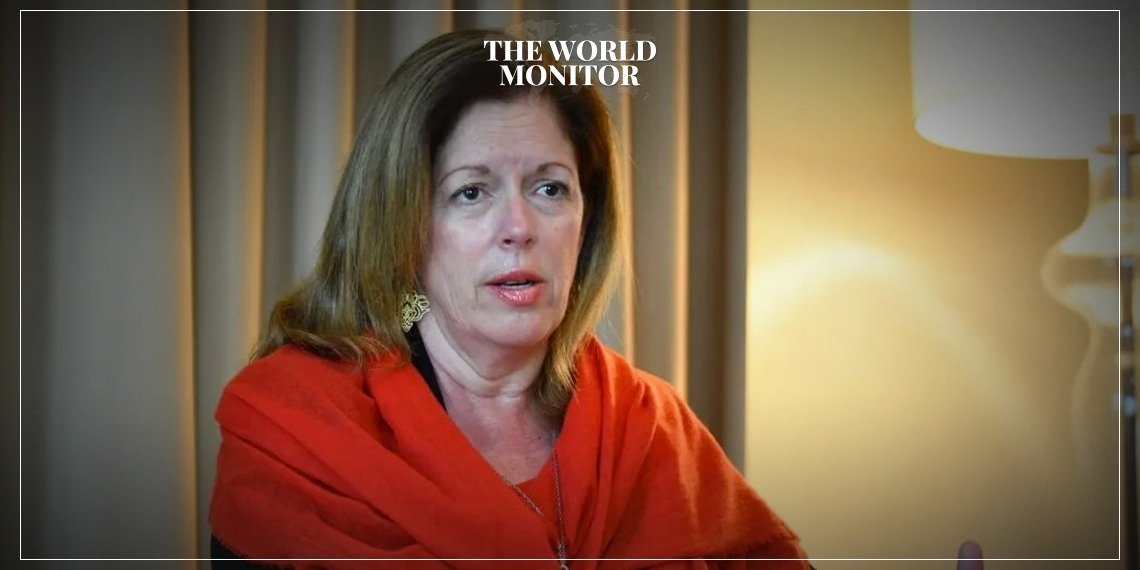
Stephanie Williams, former advisor to the UN Secretary-General in Libya, has emphasized that the significant division among armed groups in western Libya persists.
She pointed out the control of three main formations over the capital, Tripoli: the Deterrence Force for Combating Organized Crime and Terrorism, or the “Special Deterrence Force,” the Stability Support Force, and Brigade 444.
Williams stated, “Armed groups in Tripoli continue to distinguish themselves by controlling what remains of state institutions and through presidential decrees, through which they have obtained powers of arrest, surveillance, and detention, which they routinely use to subdue their opponents and prevent accountability for their loyalists.”
In a recurring scene in Tripoli over the past decade, a wave of intense armed clashes erupted last August between Brigade 444 and the Special Deterrence Force, resulting in the deaths of 55 people and injuring 150 others following the arrest of Brigade 444 commander Mahmoud Hamza.
Outside the capital, the scene remains highly divided, depending on local circumstances, as mentioned by Williams in her article.
In several cases, armed formations receive their salaries from government institutions and through extortion and illegal activities such as migrant smuggling.
In a related context, Williams highlighted growing concerns, particularly about the restrictions imposed on freedoms and civil society by the leadership of the Libyan army in the east and armed formations in the west.
Moussa Faki Mahamat, the Chairperson of the African Union Commission, has expressed grave concerns over the long-standing Libyan crisis, highlighting its extensive costs to the Libyan people and its role in fueling terrorism in the Sahel region.