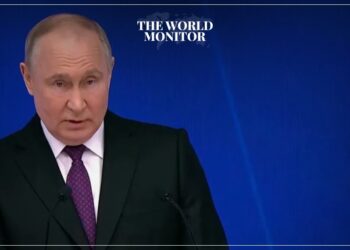

The Russian mission to the United Nations announced on Friday its abstention from voting on a Security Council draft resolution to extend the mandate of the European Union’s Operation Irini, which is responsible for inspecting ships off the coast of Libya.
Russia abstained from voting on the draft resolution, which was submitted by France and Malta, to extend the mandate of Operation Irini, suspected of violating the imposed arms embargo. The current mandate is set to expire on June 2.
The operation, originally launched to monitor the UN-imposed arms embargo on Libya, aims to prevent weapons from reaching the conflicting parties and to enhance stability in the region.
Operation Irini, which began in March 2020, despite its stated goals of promoting peace and stability in Libya through the enforcement of the arms embargo, faces criticism and challenges, including:
Violation of Sovereignty: Some parties view the operation as violating Libyan sovereignty by intervening in its internal affairs without the consent of all concerned parties within the country.
Bias in Implementation: There are allegations that the operation may be biased in enforcing the embargo, focusing on some parties at the expense of others, leading to an imbalance of power on the ground in Libya and exacerbating the conflict rather than reducing it.
Limited Effectiveness: Despite Operation Irini’s efforts, weapons continue to flow into Libya through various means, such as land and air routes, which undermines the effectiveness of the naval embargo and questions the operation’s overall efficacy.
Humanitarian Impact: The operation may also negatively affect the humanitarian side, potentially obstructing the arrival of essential aid or goods that can support the daily lives of Libyan citizens.
Political Ramifications: Continued foreign interventions in Libya, including Operation Irini, raise issues about foreign influence and power balance, which may hinder comprehensive political solution efforts and deepen local divisions.
These aspects necessitate periodic reassessment of the operation and extensive discussions on how to improve its implementation to serve all Libyan parties and contribute effectively and fairly to the country’s stability.
Russia explained its abstention by stating that it requires more clarifications on the implementation of the operation and how it respects Libya’s sovereignty and independence