Italian Prime Minister, Giorgia Meloni, announced on Friday that the nation would implement emergency measures to combat the unprecedented influx of undocumented migrants. Meloni, addressing the nation through a broadcasted statement, highlighted, “The migratory pressure that Italy has been facing since the beginning of the year is unbearable. Neither Italy nor Europe can accommodate this number of people.”
Meloni also revealed that she had invited Ursula von der Leyen, the President of the European Commission, to visit the island of Lampedusa to witness the “severity of the situation” firsthand. Additionally, she has requested Charles Michel, the President of the European Council, to include the migration issue on the agenda for the European Union summit in October.
Advocating for collective European action, the Prime Minister called for the launch of a European mission to prevent the influx of ships carrying undocumented migrants.
“The Italian government intends to take emergency actions to address the flow of migrants on our shores,” stated Meloni. Among the proposed measures is the extension of detention periods for migrants before deportation – from the current 12 months to 18 months. The Defense Ministry will also be tasked with bolstering the capabilities of these detention centers and constructing new ones.
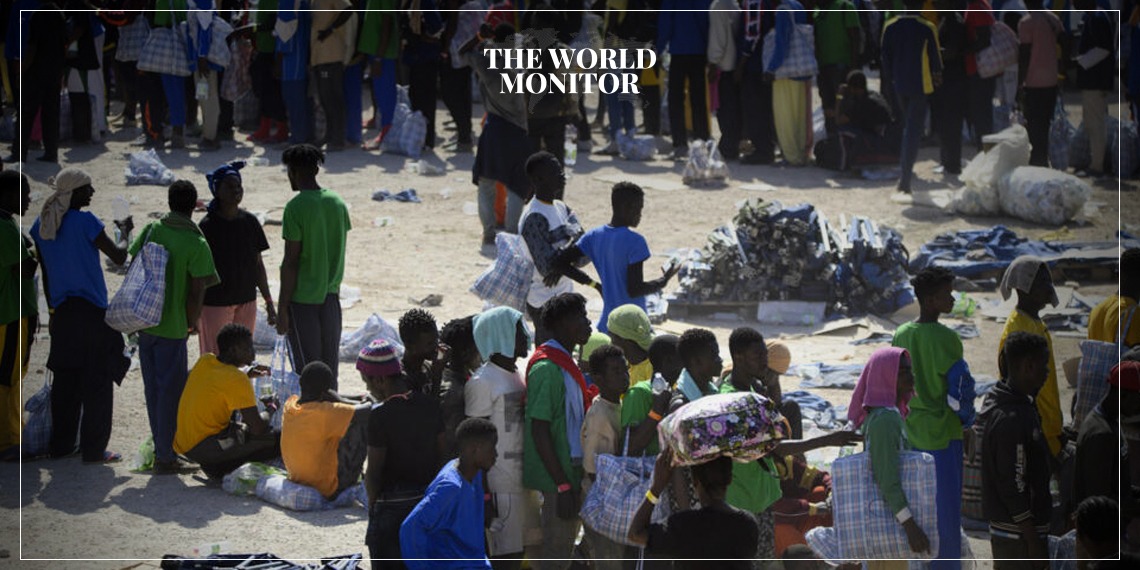
These announcements come in the wake of a declared state of emergency on the island of Lampedusa. The island recently witnessed the arrival of over 8,000 migrants in just the last three days. The flow of migrants continues to persist.
Italy, particularly its southern islands like Lampedusa, has long been a primary European gateway for migrants, many fleeing conflict, poverty, and persecution from African countries. The country has repeatedly called for a joint European response to share the responsibility of hosting asylum seekers.
This renewed surge in migrant arrivals and the emergency measures announced highlight the pressing nature of the migrant crisis for both Italy and the European Union. The EU, with its diverse member states, has found achieving a unified response to this challenge difficult, making regional and internal measures, such as those announced by Italy, increasingly vital.