Contrary to some misconceptions, the bodies of victims of natural disasters or armed conflict generally do not pose a significant health risk to communities, according to statements from the Red Cross and the World Health Organization (WHO).
These organizations emphasize that victims who have died due to trauma, drowning, or fire typically “do not normally harbor organisms that cause disease with common precautions.” However, they acknowledge that exceptions exist in cases of deaths resulting from infectious diseases like Ebola, Marburg, or cholera, or when a disaster occurs in an area where such diseases are endemic.
Both the Red Cross and the WHO highlight the potential risk of diarrhea from drinking water contaminated by fecal material from dead bodies. Nevertheless, they assert that routine disinfection of drinking water is generally sufficient to prevent waterborne illnesses, while emphasizing that bodies should not be left in contact with drinking water sources.
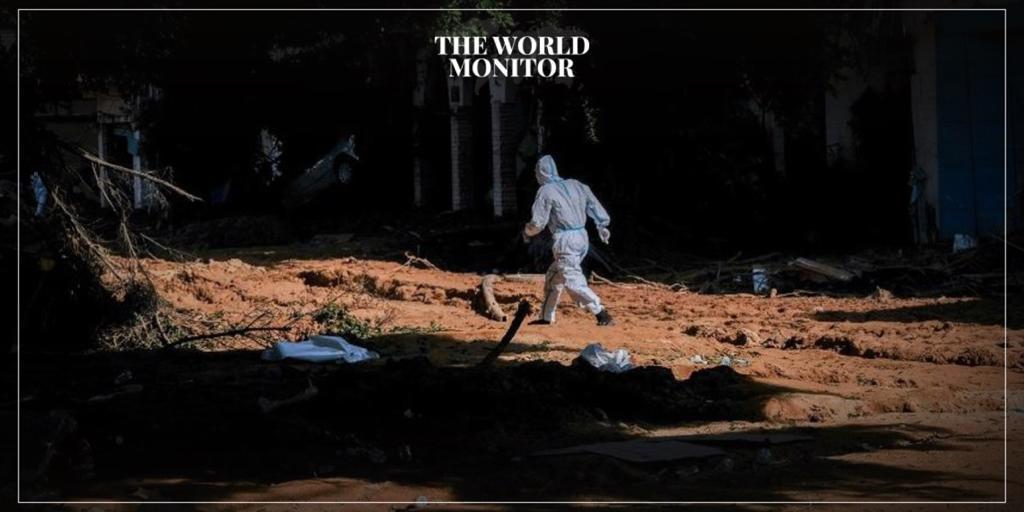
The guidance from these organizations comes in the wake of major flooding in Libya and an earthquake in Morocco, which have resulted in thousands of deaths. In such situations, authorities often aim to expedite burials, which can exacerbate suffering for relatives and lead to legal and administrative complications for victims’ families.
Bilal Sablouh, the regional forensics advisor for Africa at the International Committee of the Red Cross, stresses that the misconception that corpses can spread disease often prompts rushed burials, increasing the likelihood of individuals going missing and causing anguish for their loved ones.
Pierre Guyomarch, head of forensics at the Red Cross, notes that those who survive natural disasters are more likely to spread diseases than dead bodies.
Both organizations recommend a process that involves identifying bodies and burying them individually in clearly marked graves with documented locations for later traceability. They urge authorities in affected communities not to rush into mass burials or cremations and stress the importance of dignified body management for the well-being of families and communities, especially in conflict situations where it can be an essential component of achieving a swifter end to hostilities.