• About us
  • Contact Us
Tuesday, January 27, 2026
No Result
View All Result
The World Monitor
  • The World Monitor
  • Middle East
  • Africa
  • World
  • Economy
  • Sports
  • Climate
  • Technology
  • Crypto
  • The World Monitor
  • Middle East
  • Africa
  • World
  • Economy
  • Sports
  • Climate
  • Technology
  • Crypto
No Result
View All Result
The World Monitor
No Result
View All Result
Home Middle East

UN Security Council to Convene on Libya’s Political Challenges

UN Security Council to Convene on Libya's Political Challenges

February 4, 2024
UN Security Council to Convene on Libya's Political Challenges

UN Security Council

Share on FacebookShare on TwitterShare on Whatsapp

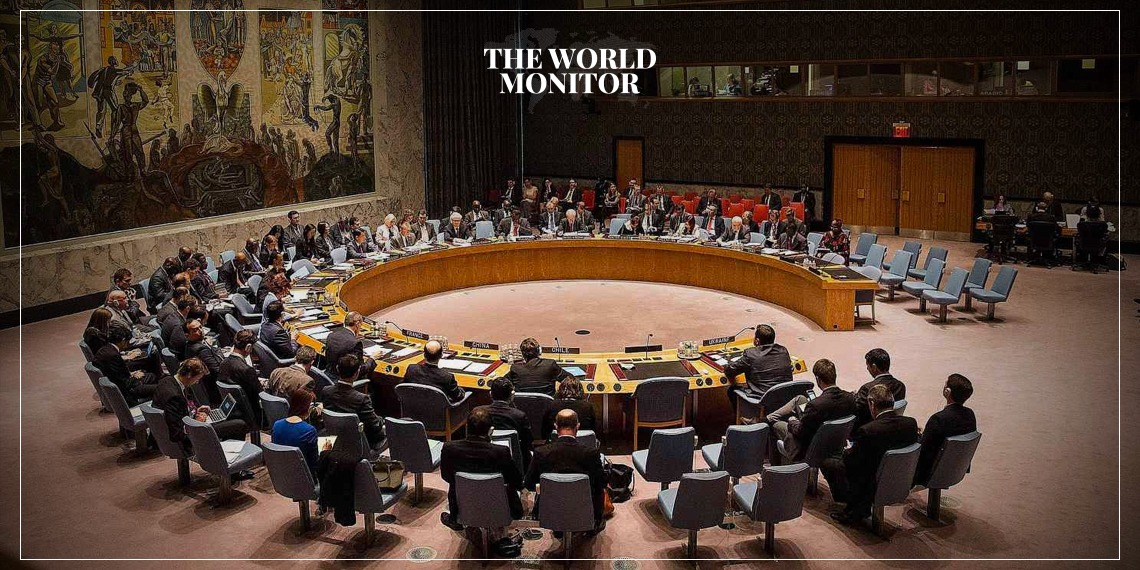
The United Nations Security Council is set to hold a session on Libya on February 15th to discuss the political situation in the country and the role of the UN mission, as confirmed by the official United Nations website.

In a session held in December on Libya, the UN envoy Abdoulaye Bathily provided a briefing in which he revealed the political parties’ stance on his initiative aimed at convening a quintet meeting among the leaders of these parties.

Bathily explained that the leaders “did not outright reject the invitation to the quintet meeting, but some of them set conditions for participation.”

The five parties are: the Speaker of the House of Representatives Aqeela Saleh, the Head of the High Council of State Mohamed Takala, the Commander of the Libyan National Army Khalifa Haftar, the Head of the Libyan outgoing Government of National Unity Abdel-Hamid Dbaiba, and the Head of the Presidential Council Mohamed Al-Mnifi.

Bathily detailed the positions of the five leaders, stating, “The Presidential Council, led by Mohamed Al-Mnifi, showed clear and tangible support, committing in good faith to the success of the dialogue.” Meanwhile, Aqeela Saleh conditioned his attendance on the agenda focusing on forming a new government and refused Dbaiba’s participation.

Takala submitted three names to attend the meeting despite rejecting the draft electoral laws published by the House of Representatives. Dbaiba “provided names representing the Government of National Unity,” expressing “willingness to discuss the outstanding issues in the electoral laws but categorically refused any discussions about changing the government.”

While Haftar agreed to participate in the dialogue, he conditioned his participation on the inclusion of both Dbaiba’s government and the government appointed by the House of Representatives.

Tags: LibyaUN
Next Post
OPEC Fund Supports 55 Development Projects with $1.7 Billion

OPEC Fund Supports 55 Development Projects with $1.7 Billion

Leave a Reply Cancel reply

Your email address will not be published. Required fields are marked *

Recommended

$71 Million Stolen from Bank in Gaza

$71 Million Stolen from Bank in Gaza

2 years ago
Saudi Arabia's King Salman Recovers from Lung Infection

Saudi Arabia’s King Salman Recovers from Lung Infection

1 year ago

Popular News

  • Oil Fields & Ports in Libya Shut Down

    Oil Fields & Ports in Libya Shut Down

  • Ukraine Announces Killing of Top Russian Naval Figure

  • Germany to Cut Ukraine Military Aid in 2025

  • Saudi Arabia Invests $100 Million In Professional Fighters League

  • Turkey & Israel Discuss Regional Issues

Follow us

"Connecting the World to the Heartbeat of Middle East and Africa – Your Trusted Source for News and Insights."

  • The World Monitor
  • Middle East
  • Africa
  • World
  • Economy
  • Sports
  • Climate
  • Technology
  • Crypto

ABOUT US

CONTACT US

Privacy Policy

  • About us
  • Contact Us

© 2023 THE WORLD MONITOR

No Result
View All Result
  • Home
  • Africa
  • World
  • Economy
  • Climate
  • Sports
  • Crypto
  • Technology

© 2023 THE WORLD MONITOR