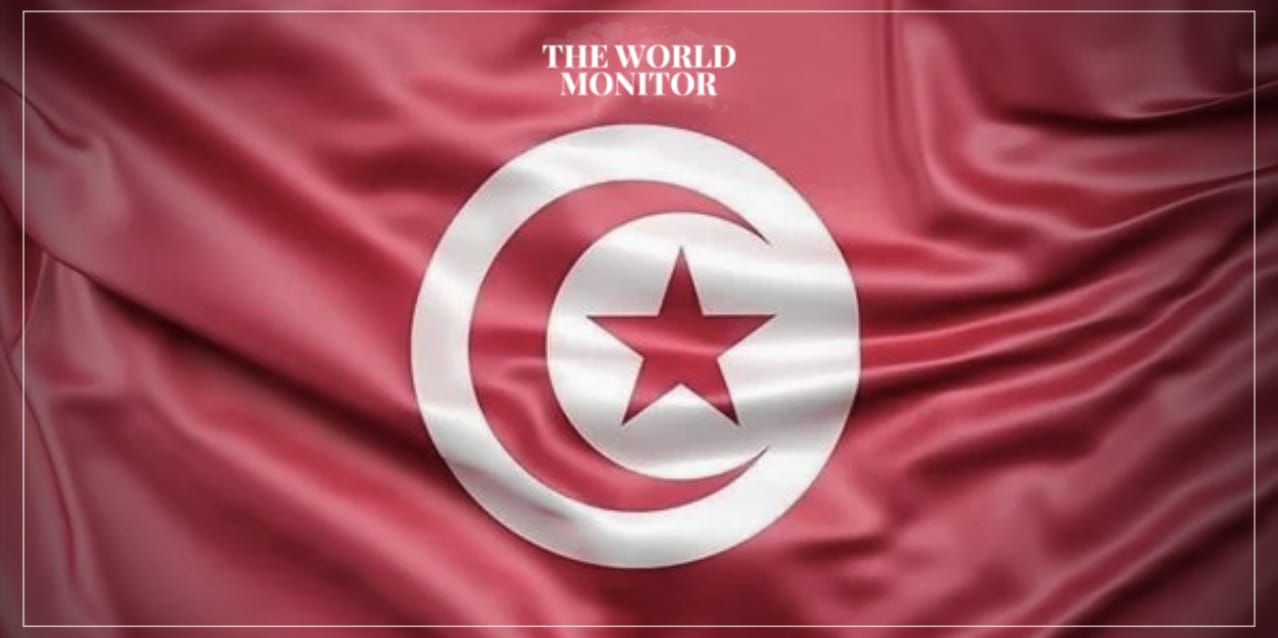
The International Monetary Fund (IMF) included Tunisia in a “negative” list earlier this week, marking the first time since its membership began. This list also includes countries like Venezuela, Yemen, Belarus, Chad, Haiti, and Myanmar. According to Tunisia’s “Nessma” TV channel, this move is due to delays in completing consultations between Tunisia and IMF representatives under Article IV, which pertains to the review of Tunisia’s economic performance. The delay exceeded 18 months, in addition to the standard period of 15 months.
The IMF assigns this negative classification based on delays in discussions with various national authorities regarding economic matters and adopted policies, or due to the political or security situation or changes in the policies of some countries. According to the IMF, the delay in such discussions is attributed to the countries’ inability or unreadiness to host an IMF delegation due to their governments’ schedules.
In December last year, Tunisian President Kais Saied raised a “veto” against what he describes as “external dictations” from the IMF and Western countries, after insisting on not divesting in public institutions.
Tunisia’s economic situation has been marked by challenges and resistance to reform, especially in its dealings with the International Monetary Fund (IMF).
Since the 2011 revolution, Tunisia has struggled with economic discontent, leading to a perpetual economic crisis. This crisis has translated into a weakened faith in the country’s young and fragile democratic institutions. The lack of significant improvement in the economic situation has caused many Tunisians to lose trust in the political establishment’s ability to resolve the nation’s deep-rooted economic struggles. President Kais Saied, elected in 2019 on promises of economic reform and anti-corruption, has not successfully addressed these economic challenges. Instead, his regime has been marked by authoritarian measures and resistance to Western influence, particularly in negotiating terms with the IMF.