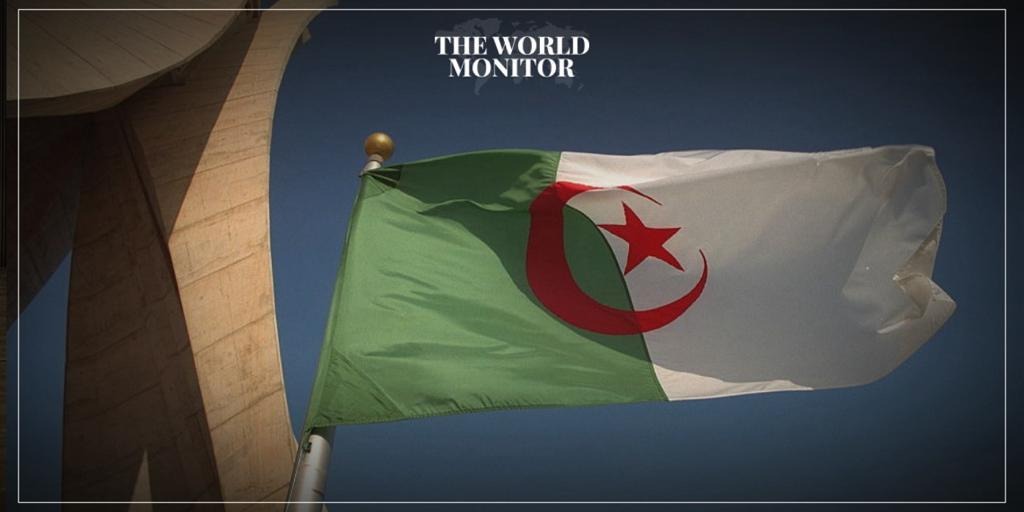
Starting from the new year, Algeria is set to take over the United Arab Emirates’ role as the representative of the Arab world in the United Nations Security Council. This tenure will span two years, concluding at the end of 2025.
The Security Council consists of 15 countries, each with one vote. This includes five permanent members with veto power: Russia, China, France, the United Kingdom, and the United States. The remaining ten non-permanent members are elected for two-year terms by the General Assembly.
This week, the United Arab Emirates, Brazil, Gabon, Ghana, and Albania departed the council after completing their two-year terms (2022-2023). They will be succeeded by Guyana, South Korea, Slovenia, Sierra Leone, and Algeria.
In 2024, the non-permanent composition of the Council will include Ecuador, Switzerland, Mozambique, Malta, Japan, Guyana, South Korea, Slovenia, Sierra Leone, and Algeria.
The Security Council is one of the six main organs of the United Nations, alongside the General Assembly, the Secretariat, the International Court of Justice, the Trusteeship Council, and the Economic and Social Council.
This tenure marks Algeria’s fourth time as a member of the Council, having previously served in 1968-1969, 1988-1989, and 2004-2005, in addition to the upcoming term.
Arab countries share the council membership in rotation, alternating between those in the African and Asian continents.
Egypt has held a seat on the council for five terms, including a one-year term in 1946. Tunisia has served four times, while Jordan, Morocco, and Syria have each held three terms.
The United Arab Emirates, Libya, Lebanon, Kuwait, and Iraq have each had two terms, and the United Arab Republic (Egypt and Syria) served in 1961-1962.