
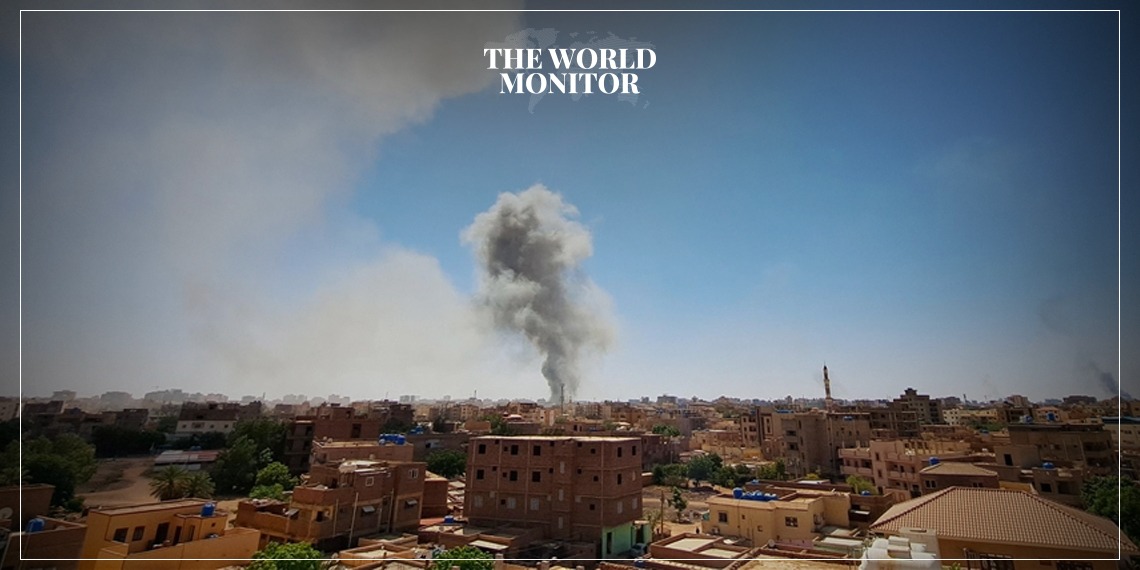
The turmoil in Khartoum, the capital of Sudan, shows no signs of abating as ongoing clashes and challenges create an atmosphere of volatility and insecurity.
Reports from the Cooper Al-Waha resistance indicate the presence of Rapid Support Forces (RSF) and the deployment of snipers in their neighborhood.
Residents are being urged to stay away from the affected areas due to safety concerns, heightening fears and tension among the local population.
In Omdurman, another region of Khartoum, Al-Fakhib has raised similar alarms, warning residents about potential targeting of homes by the RSF and advising caution.
The prevailing threat to personal safety has significantly disrupted the daily lives of individuals, compelling them to navigate through a constant state of fear and uncertainty.
The conflict in Sudan has led to the displacement of millions of people, with children being particularly vulnerable to the consequences.
The impact on children includes loss of access to homes, schools, and a secure environment for growth. International organizations, notably UNICEF and local partners, are actively engaged in providing crucial lifesaving services and supplies to support these vulnerable children and families amidst the challenging circumstances.
The situation underscores the urgent need for sustained efforts to address the humanitarian crisis and work towards a more stable and secure environment in Khartoum and across Sudan.